Unique Typography Styles: A Blend of Creativity and Functionality
Typography is more than just arranging letters on a page; it’s an art form that combines creativity with functionality. In graphic design, unique typography styles can elevate a project, making it not only visually appealing but also effective in conveying the intended message. In this blog post, we will explore various unique typography styles, their applications, and tips for integrating them into your designs.
The Importance of Typography in Design
Typography plays a crucial role in graphic design for several reasons:
- Communication: Typography helps convey the tone and mood of the message.
- Brand Identity: Unique typography can strengthen brand recognition and identity.
- Readability: Well-chosen typography enhances readability and user experience.
- Aesthetic Appeal: Creative typography can make a design more attractive and engaging.
Exploring Unique Typography Styles
1. Handwritten Typography
Handwritten typography mimics the look of human handwriting, adding a personal touch to designs. This style is perfect for:
- Invitations
- Greeting cards
- Branding for artisanal products
When using handwritten typography, consider the following:
- Choose fonts that reflect the personality of the brand.
- Ensure legibility, especially for longer texts.
2. Vintage Typography
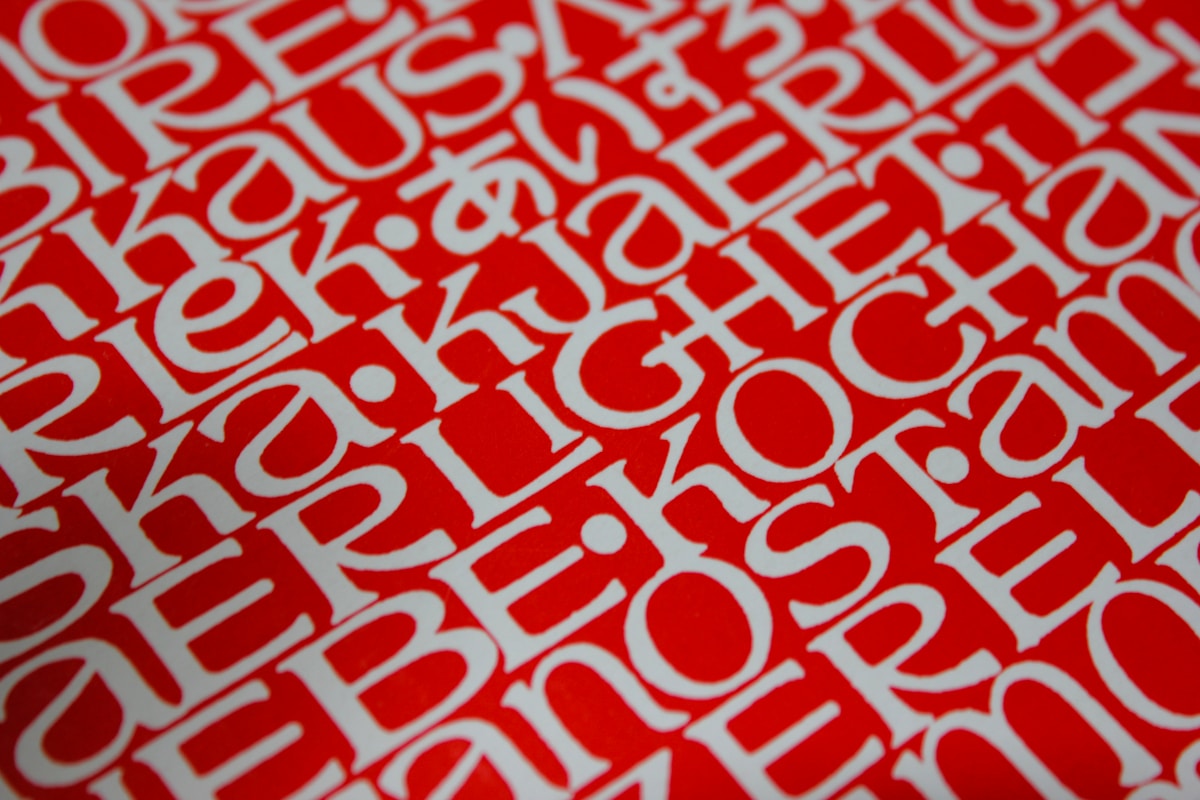
Vintage typography evokes nostalgia and can transport viewers to a different era. This style often features:
- Ornate lettering
- Classic serif fonts
- Distressed textures
Applications of vintage typography include:
- Posters
- Logos for retro brands
- Packaging for artisanal products
3. Minimalist Typography
Minimalist typography emphasizes simplicity and clarity. This style is characterized by:
- Clean lines
- Limited color palettes
- Use of negative space
It is ideal for:
- Modern brands
- Web design
- Editorial layouts
4. Geometric Typography
Geometric typography uses shapes and forms to create letters. This style is often bold and striking, making it suitable for:
- Posters
- Logos
- Headlines
Key considerations when using geometric typography include:
- Balancing boldness with readability.
- Using contrasting colors to enhance visual impact.
5. Experimental Typography
Experimental typography pushes the boundaries of traditional design. This style can include:
- Custom letterforms
- 3D effects
- Dynamic layouts
Applications of experimental typography often appear in:
- Art installations
- Fashion branding
- Digital media
Tips for Integrating Unique Typography Styles
1. Know Your Audience
Understanding your target audience is crucial. Different typography styles resonate with different demographics. Research your audience’s preferences to select the most fitting style.
2. Maintain Hierarchy
Establishing a clear hierarchy is essential for effective communication. Use different font sizes, weights, and styles to guide the viewer’s eye through the content.
3. Limit Font Choices
Using too many fonts can lead to a cluttered design. Stick to two or three complementary fonts to maintain visual harmony.
4. Test for Readability
Always prioritize readability. Test your typography choices in various formats and sizes to ensure that your message is clear.
5. Embrace Consistency
Consistency in typography across all design elements strengthens brand identity. Use the same typography styles for similar content to create a cohesive look.
Conclusion
Unique typography styles are a powerful tool in graphic design that can enhance both creativity and functionality. By understanding different typography styles and applying them thoughtfully, designers can create visually stunning and effective communication pieces. Whether you’re working on a branding project, a poster, or a digital layout, the right typography can make all the difference.